
By Anthony Kon
Diplomat, Researcher, and Author
By Anthony Kon | Sarkon Plus Publishing
Reporting Period: This analysis covers developments from 28 February to 15 July 2026, a period of approximately four and a half months. It was prepared and last updated on 28 July 2026.
The near-standstill of maritime traffic through the Strait of Hormuz since 28 February 2026 has placed extraordinary pressure on global energy markets, international trade, humanitarian supply chains, and the wider world economy. The disruption is connected to the continuing regional conflict and the actions of the parties involved. If the conflict continues, its consequences will extend far beyond the Gulf. Sustained pressure on energy flows, maritime trade, inflation, and humanitarian supply chains could affect not only the economies of the Gulf region, but also economic stability and human welfare across the world.
Oil markets initially absorbed much of the shock through strategic reserves, surplus production capacity, existing commercial inventories, and alternative transport arrangements. These protective buffers are now being depleted. As a result, the principal risk is no longer limited to short-term oil-price volatility. It increasingly concerns the ability of the international economic system to withstand a prolonged interruption of one of the world’s most important maritime trade routes.
Read in Arabic | اقرأ الترجمة العربية ↓
Executive Summary
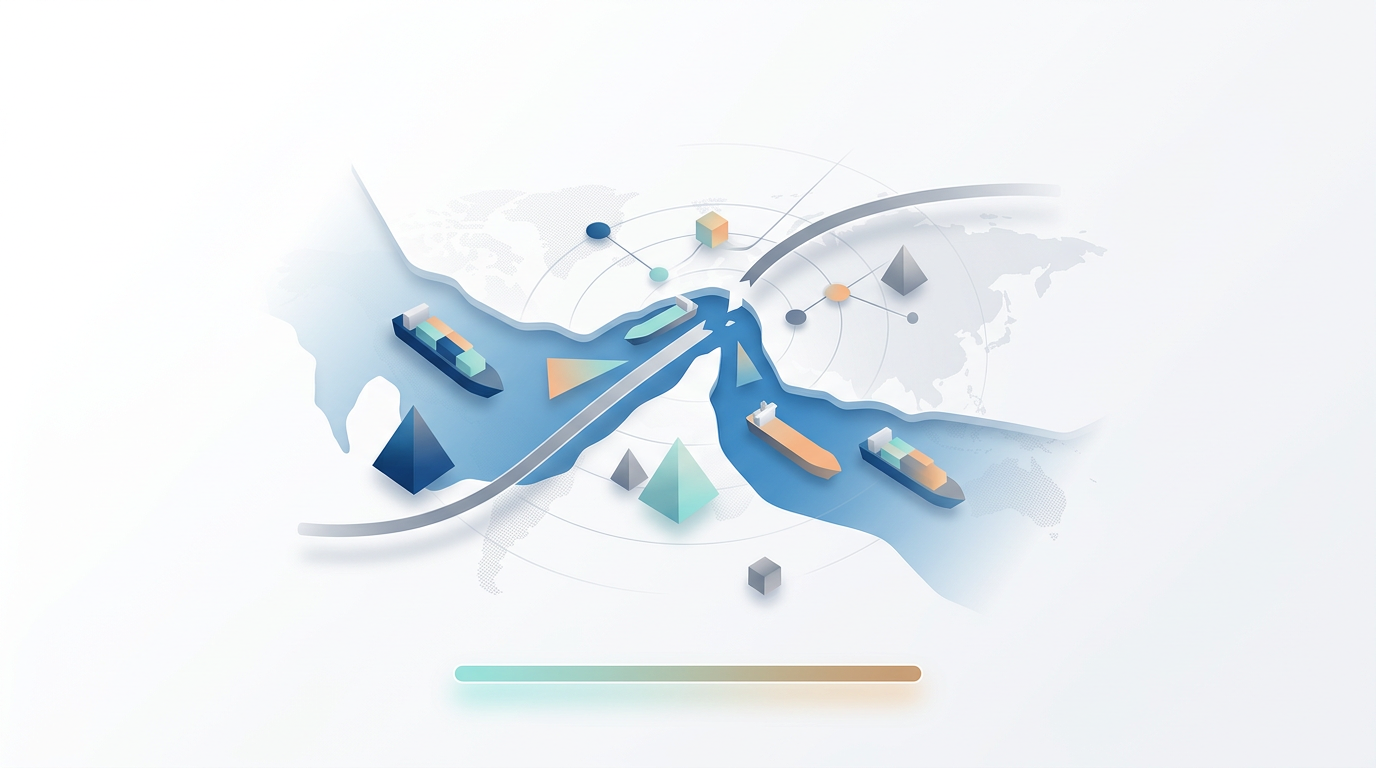
The Strait of Hormuz is a strategically important waterway connecting the Gulf with the Gulf of Oman and the Arabian Sea. A significant share of the world’s seaborne energy trade normally passes through it. The continuing disruption has therefore affected energy supplies, shipping operations, insurance costs, commercial planning, humanitarian deliveries, and expectations for global economic growth.
According to an International Monetary Fund assessment published on 15 July 2026, oil markets absorbed the initial shock, but the buffers that supported this resilience are running low. The World Bank’s June 2026 Global Economic Prospects report projects global growth slowing to 2.5 percent in 2026, partly because of the sharp increase in energy prices associated with the regional conflict.
The human cost is also becoming more visible. The United Nations and the International Maritime Organization have confirmed that at least two seafarers were killed in attacks on commercial shipping. Maritime traffic through the strait has remained close to a standstill since 28 February, affecting not only energy exports but also the movement of food, fuel, medical supplies, and other essential goods.
The central concern is that a prolonged disruption could transform an energy-market shock into a broader economic and humanitarian crisis. The longer the interruption continues, the more difficult and expensive it will become to compensate through reserves, alternative routes, or temporary market adjustments.
Key Findings
- Oil markets absorbed the initial disruption, but strategic petroleum reserves, commercial inventories, spare production capacity, and alternative transport arrangements are being depleted.
- The World Bank projects global growth slowing to 2.5 percent in 2026, with higher energy prices identified as one factor contributing to the deterioration.
- Maritime transport through the Strait of Hormuz has been close to a standstill since 28 February, disrupting energy exports and wider commercial and humanitarian supply chains.
- At least two seafarers have reportedly been killed, demonstrating that civilian maritime workers are directly exposed to the consequences of the conflict.
- Prolonged disruption could increase shipping, insurance, manufacturing, food, transportation, and household energy costs.
- The ability of alternative routes and energy sources to replace normal traffic through the strait remains uncertain, particularly if the disruption continues for an extended period.
- International institutions are monitoring the consequences, but the duration and ultimate economic impact of the crisis remain difficult to predict.
Strategic Importance of the Strait
The Strait of Hormuz is a narrow maritime passage between Oman and Iran. It connects the Gulf with the Gulf of Oman and the wider Arabian Sea. Its importance comes primarily from the volume of oil, gas, commercial cargo, and essential supplies that normally pass through it.
The surrounding geography limits the number of practical alternatives. Some oil and gas supplies can be redirected through pipelines or different ports, but the capacity of these alternatives is not sufficient to replace all normal maritime traffic through the strait.
This limitation makes the waterway more than a regional shipping route. A prolonged interruption can affect fuel prices, transportation costs, manufacturing, electricity generation, food production, and inflation in countries far beyond the Middle East.
The present disruption followed the escalation of the regional conflict in late February 2026. Since then, repeated military activity by the parties involved has made commercial navigation increasingly dangerous. Shipping companies have consequently reduced, delayed, or suspended operations.
Current Economic Conditions
The early market response was less severe than some initial forecasts anticipated. Governments and market participants used strategic reserves, existing inventories, surplus production capacity, and alternative transport arrangements to maintain supplies.
These measures helped prevent the first phase of the disruption from producing a more extreme economic shock. Their effectiveness, however, depends on both their availability and the duration of the crisis.
The IMF’s July assessment indicates that these buffers are now running low. This changes the nature of the risk. If the disruption continues, future supply losses may become more difficult to replace. Markets could then experience sharper price movements, greater volatility, and more serious shortages.
Reports from oil-market participants similarly indicate that commercial stockpiles are declining. Inventories that helped stabilise the market during the early stages of the crisis cannot provide the same protection indefinitely.
The central economic question is therefore not simply whether supplies are available today. It is how long governments, producers, shipping companies, and consumers can continue compensating for the disruption before the available alternatives become inadequate or prohibitively expensive.
Effects on Energy Markets
The most immediate economic consequences are visible in energy markets. Reduced maritime traffic through the strait restricts the normal movement of oil and gas from producing countries to international customers.
Even when physical supplies remain available, uncertainty can increase prices. Traders must consider the possibility of further disruption, while shipping companies and insurers must account for higher operational and security risks.
The resulting costs can include:
- Higher prices for crude oil and refined petroleum products.
- Increased freight and insurance premiums.
- Longer delivery times and more complicated transport arrangements.
- Greater demand for strategic reserves and commercial inventories.
- Pressure on alternative producers and transport infrastructure.
- Increased volatility in energy-related financial markets.
These effects do not remain confined to the energy sector. Oil and gas are essential inputs in transportation, electricity generation, manufacturing, agriculture, fertiliser production, and numerous consumer goods. Higher energy costs can therefore spread throughout the economy.
Global Growth and Inflation
The World Bank’s projection of 2.5 percent global growth in 2026 provides an important benchmark for evaluating the wider economic consequences. Higher energy prices reduce household purchasing power, raise business operating costs, and increase pressure on government budgets.
Countries that depend heavily on imported energy are especially vulnerable. They may face worsening trade balances, declining foreign-exchange reserves, higher inflation, and weaker domestic demand.
Lower-income countries often have fewer resources available to absorb these pressures. Governments may need to choose between allowing domestic fuel prices to rise, increasing subsidies, reducing other public expenditure, or borrowing additional funds.
Each option carries economic and social costs. Higher prices affect households directly, while expanded subsidies can place additional pressure on already constrained public finances. Additional borrowing may also be difficult for countries with high debt levels or limited access to international capital markets.
Central banks face a similarly difficult position. Raising interest rates may help control inflation, but it can also weaken investment, employment, and economic growth. Maintaining lower rates may support economic activity but allow energy-driven inflation to become more persistent.
Trade and Supply-Chain Consequences
The disruption affects more than oil and gas. Commercial vessels carrying food, industrial materials, manufactured goods, chemicals, machinery, and humanitarian supplies may also be delayed or redirected.
Alternative shipping routes can add considerable time and expense to each journey. Longer routes require more fuel, more vessels, larger crews, and additional logistical coordination. Port congestion may increase as traffic is redirected to facilities that were not designed to manage such volumes.
Businesses may respond by increasing inventories, changing suppliers, delaying investment, or reducing production. These adjustments can protect individual companies, but they may also add further costs to the international trading system.
Industries that rely on precise delivery schedules are particularly exposed. A shortage of one component can interrupt an entire production process. This means that even relatively small transport delays may have consequences that are larger than the immediate value of the delayed shipment.
Humanitarian and Social Impact
The crisis has a direct human dimension. The confirmed deaths of seafarers demonstrate the risks faced by civilian maritime workers operating near the conflict zone.
Seafarers may experience physical danger, prolonged voyages, uncertain access to ports, psychological stress, and separation from their families. Crews aboard delayed or stranded ships may also face shortages of food, water, medicine, or other essential supplies.
The interruption of maritime traffic can have wider humanitarian consequences. Many countries depend on imports for substantial shares of their food, fuel, and medical needs. Delays or price increases can therefore affect the availability of essential goods.
Vulnerable populations are likely to experience the most severe consequences. Low-income households spend a larger share of their income on food, transportation, electricity, and cooking fuel. Even modest price increases can force families to reduce consumption of other necessities.
Humanitarian organisations may also face higher transport costs and longer delivery times. Their budgets purchase fewer supplies when fuel, freight, and insurance costs rise. This can reduce the number of people they are able to assist.
The humanitarian impact should therefore be assessed not only in terms of goods that fail to arrive, but also through the declining purchasing power of families and aid organisations.
Shipping, Logistics, and Insurance
Commercial shipping decisions depend on whether companies believe a route can be used with an acceptable level of risk. Even without a formal closure, repeated regional hostilities can produce an effective commercial shutdown if shipowners, crews, insurers, or port operators consider the danger too great.
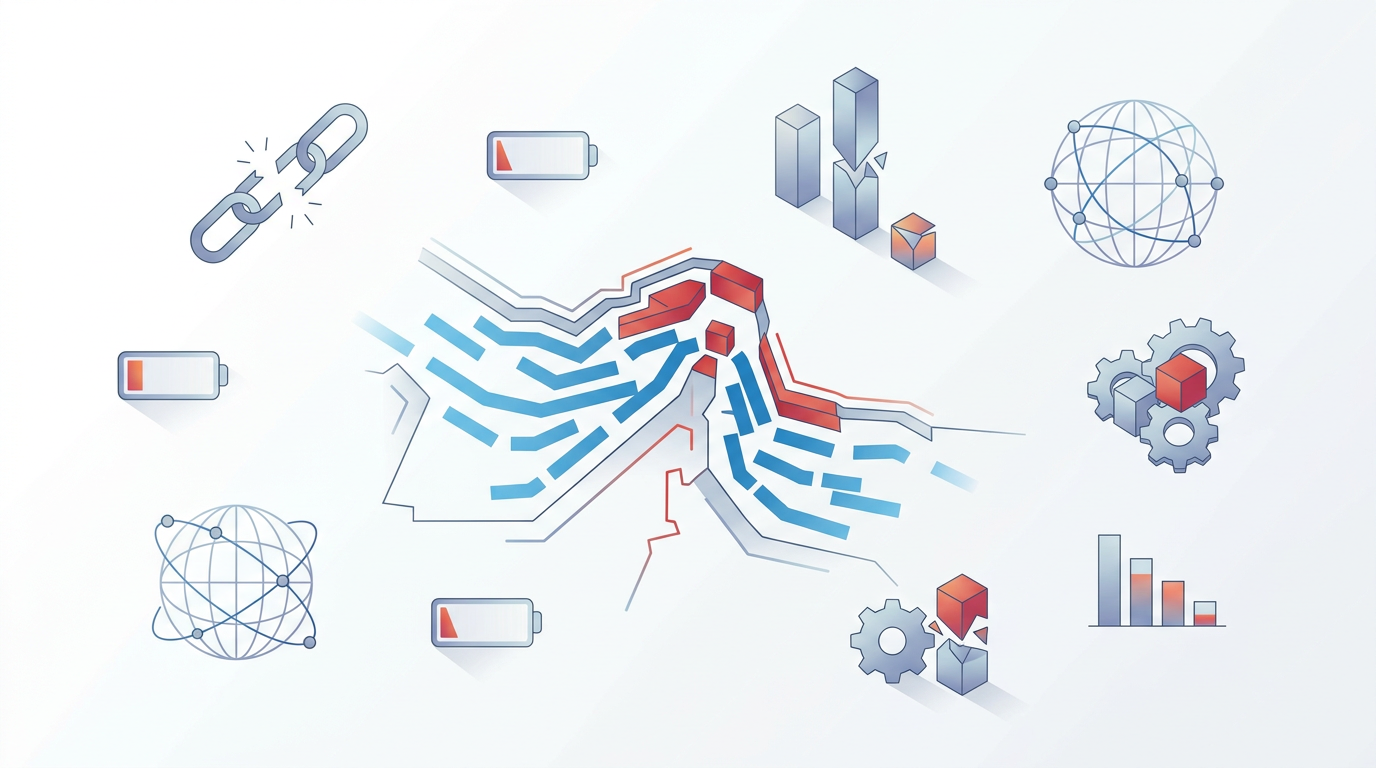
Insurance is a particularly important part of this process. Higher security risks can cause insurers to raise premiums, restrict coverage, impose additional conditions, or withdraw from particular routes.
Without adequate insurance, many commercial vessels cannot operate. Financing agreements, port requirements, and corporate risk policies often require specific levels of coverage. An increase in perceived danger can therefore reduce maritime traffic even before physical access becomes impossible.
The effects may persist after security conditions begin to improve. Shipping companies and insurers may require evidence of sustained stability before restoring normal operations. The recovery of maritime traffic could consequently be slower than the initial decline.
Investment and Financial-Market Implications
The disruption creates significant uncertainty for investors and businesses. Energy companies, transport operators, insurers, manufacturers, and financial institutions must evaluate risks that depend heavily on the unpredictable duration of the conflict.
Alternative energy sources and transport routes may attract greater interest. However, the existence of an alternative does not prove that it can operate profitably or at sufficient scale during a prolonged crisis.
Investors must distinguish between theoretical capacity and demonstrated commercial viability. Infrastructure projects may require substantial capital and long construction periods. Temporary market opportunities may disappear before new capacity becomes operational.
The disruption may also affect equity, bond, commodity, and currency markets. Energy-importing countries could experience pressure on their currencies and public finances, while companies with high transportation or energy costs may face declining profitability.
No general conclusion about investment safety or expected returns can be made under current conditions. The uncertainty surrounding energy prices, transport availability, policy responses, and the duration of the conflict remains unusually high.
Regional and International Response
International institutions have increasingly focused on the economic and humanitarian consequences of the crisis. The United Nations has called for diplomacy and de-escalation, while the International Maritime Organization has emphasised the protection of civilian seafarers and commercial shipping.
Regional governments have expressed concern about threats to infrastructure, maritime navigation, and economic stability. Their responses reflect the dependence of Gulf economies on secure transport routes and functioning energy markets.
On 8 July 2026, the heads of the International Energy Agency, International Monetary Fund, World Bank Group, and World Trade Organization issued a joint statement confirming that their institutions were monitoring developments and assessing the consequences for affected countries, the region, and the world economy.
This coordinated attention is important, but monitoring alone cannot remove the underlying risks. The economic outlook ultimately depends on whether secure maritime movement can resume and whether the parties involved in the conflict move toward de-escalation.
Risks and Uncertainties
Several major uncertainties remain.
Duration of the disruption
The economic consequences depend heavily on how long maritime traffic remains restricted. A short interruption can often be managed through inventories and temporary adjustments. A prolonged interruption can exhaust reserves and create structural shortages.
Rate of buffer depletion
The IMF has warned that buffers are running low but has not provided a definitive date for their exhaustion. The rate of depletion depends on demand, alternative supplies, available inventories, and the effectiveness of conservation measures.
Availability of alternative routes
Pipelines, different ports, and longer maritime routes may reduce some of the disruption. Their total capacity, reliability, and cost under sustained pressure remain uncertain.
Energy-price transmission
Changes in international oil prices do not affect every country or household at the same speed. Exchange rates, taxation, subsidies, transportation systems, and domestic market structures influence how rapidly higher costs are passed to consumers.
Humanitarian consequences
The available sources confirm disruption to supply lines, but the full effect on individual countries and populations has not yet been quantified. Data concerning shortages, delivery delays, and household welfare may emerge only gradually.
Further regional instability
Continued hostilities by the parties involved could damage additional infrastructure, reduce commercial confidence, and prolong the effective closure of maritime routes. The timing and scale of any further escalation remain unpredictable.
Alternative Scenarios
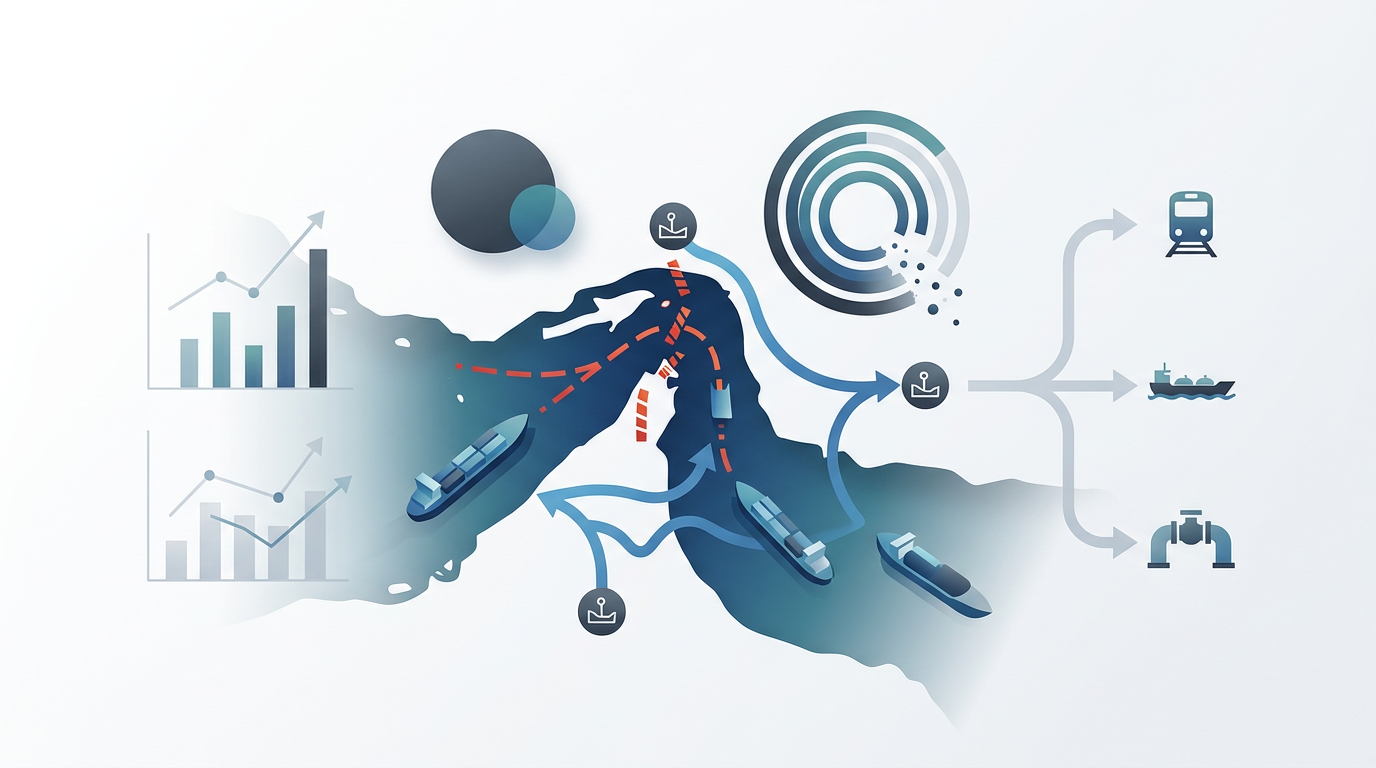
Scenario One: Negotiated de-escalation
Diplomatic engagement could lead to reduced hostilities and the gradual restoration of maritime traffic. Under this scenario, oil prices may stabilise and the depletion of strategic reserves could slow.
Recovery would probably not be immediate. Shipping companies and insurers would need evidence that conditions had become reliably safer before returning to normal operations.
Scenario Two: Prolonged Disruption
The conflict could continue without a decisive escalation or settlement. Maritime traffic would remain restricted, while reserves and inventories continued to decline.
Under this scenario, energy prices and transport costs would remain elevated. Global growth could weaken further, and the burden on importing countries, vulnerable households, and humanitarian organisations would gradually increase.
Scenario Three: Wider Economic Shock
A further deterioration in regional security could produce an even more severe interruption of shipping and energy supplies. Oil prices could rise sharply, inflation could intensify, and financial-market volatility could increase.
Global growth could fall below current projections. Governments might face stronger pressure to expand subsidies, release additional reserves, or introduce emergency economic measures. Humanitarian conditions could also worsen as food, fuel, and medical supply chains became more expensive and unreliable.
It is not yet possible to determine which scenario is most likely. The evidence remains insufficient to conclude that a durable de-escalation is imminent.
Outlook
The immediate outlook is defined by a growing imbalance between the duration of the disruption and the declining resources available to manage it.
The international economy demonstrated meaningful resilience during the early stages of the crisis. That resilience should not be confused with immunity. It depended on reserves, inventories, surplus capacity, alternative routes, and temporary commercial adjustments.
As these buffers weaken, the same level of disruption may produce increasingly severe consequences. The risk is therefore cumulative: each additional period of restricted maritime traffic reduces the system’s ability to absorb the next shock.
The greatest economic danger is not necessarily a single dramatic price increase. It is the gradual combination of higher energy costs, weaker trade, rising inflation, constrained public finances, lower investment, and worsening humanitarian access.
Conclusion
The disruption of the Strait of Hormuz represents a systemic risk to global energy markets, trade, economic growth, and human welfare. Its importance arises not only from the volume of energy normally transported through the waterway, but also from the limited capacity of alternative routes to replace that traffic.
The IMF’s warning that market buffers are running low is the clearest indication that the international economy may be approaching the limits of its short-term resilience. The World Bank’s projection of global growth slowing to 2.5 percent in 2026 provides a measurable indication of the deteriorating economic environment.
The deaths of seafarers and the interruption of humanitarian supply lines demonstrate that the crisis cannot be understood solely through oil prices or financial markets. Its consequences are also experienced by maritime workers, low-income households, energy-importing countries, and populations dependent on imported food, fuel, and medicine.
The focus should therefore remain on the economic, commercial, and human consequences of the conflict rather than on competing accounts of individual military actions. Secure maritime navigation and sustained diplomatic de-escalation remain essential to preventing the disruption from developing into a deeper global economic and humanitarian crisis.
This article is a draft for human editorial review, factual verification, and approval before publication. It has not been auto-published. Reported claims should be independently verified. The article does not provide investment advice or guarantee any financial or economic outcome.
ما وراء الخليج: التداعيات الاقتصادية والإنسانية العالمية لاضطراب مضيق هرمز
بقلم أنتوني كون | دار ساركون بلس للنشر
الفترة التي يغطيها التقرير: يتناول هذا التحليل التطورات التي شهدتها الفترة الممتدة من 28 فبراير/شباط إلى 15 يوليو/تموز 2026، أي نحو أربعة أشهر ونصف. وقد أُعدّ التقرير وخضع لآخر تحديث في 28 يوليو/تموز 2026.
أدى التوقف شبه الكامل لحركة الملاحة البحرية عبر مضيق هرمز منذ 28 فبراير/شباط 2026 إلى ضغوط استثنائية على أسواق الطاقة العالمية والتجارة الدولية وسلاسل الإمداد الإنسانية والاقتصاد العالمي ككل. ويرتبط هذا الاضطراب باستمرار الصراع الإقليمي والإجراءات التي تتخذها الأطراف المعنية به. وإذا استمر الصراع، فلن تقتصر تداعياته على الخليج، بل ستمتد إلى ما هو أبعد من ذلك بكثير. فالضغوط المستمرة على تدفقات الطاقة والتجارة البحرية والتضخم وسلاسل الإمداد الإنسانية قد لا تؤثر في اقتصادات منطقة الخليج فحسب، وإنما قد تطول أيضاً الاستقرار الاقتصادي ورفاه الإنسان في مختلف أنحاء العالم.
استوعبت أسواق النفط في البداية جانباً كبيراً من الصدمة بفضل الاحتياطيات الاستراتيجية والطاقة الإنتاجية الفائضة والمخزونات التجارية القائمة وترتيبات النقل البديلة. غير أن هوامش الأمان هذه آخذة في التآكل. ومن ثم، لم يعد الخطر الرئيسي مقتصراً على تقلب أسعار النفط في الأجل القصير، بل بات يتعلق بصورة متزايدة بقدرة النظام الاقتصادي العالمي على تحمّل انقطاع طويل الأمد في أحد أهم الممرات البحرية التجارية في العالم.
الملخص التنفيذي
يُعد مضيق هرمز ممراً مائياً استراتيجياً يربط الخليج بخليج عُمان وبحر العرب. وتعبر عبره، في الظروف الطبيعية، نسبة كبيرة من تجارة الطاقة العالمية المنقولة بحراً. ولذلك ألقى استمرار الاضطراب بظلاله على إمدادات الطاقة وعمليات الشحن وتكاليف التأمين والتخطيط التجاري وإيصال المساعدات الإنسانية، فضلاً عن توقعات النمو الاقتصادي العالمي.
وفقاً لتقييم نشره صندوق النقد الدولي في 15 يوليو/تموز 2026، استوعبت أسواق النفط الصدمة الأولية، لكن الاحتياطيات والآليات التي عززت قدرتها على الصمود آخذة في النفاد. ويتوقع تقرير «الآفاق الاقتصادية العالمية»، الصادر عن البنك الدولي في يونيو/حزيران 2026، تباطؤ النمو العالمي إلى 2.5 في المئة عام 2026، ويعزو ذلك جزئياً إلى الارتفاع الحاد في أسعار الطاقة المرتبط بالصراع الإقليمي.
كما أصبحت الكلفة البشرية أكثر وضوحاً. فقد أكدت الأمم المتحدة والمنظمة البحرية الدولية مقتل بحّارين اثنين على الأقل في هجمات استهدفت سفناً تجارية. وظلت حركة الملاحة البحرية عبر المضيق شبه متوقفة منذ 28 فبراير/شباط، مما أثر ليس فقط في صادرات الطاقة، بل أيضاً في حركة الغذاء والوقود والإمدادات الطبية وغيرها من السلع الأساسية.
ويتمثل القلق الأساسي في احتمال تحوّل اضطراب سوق الطاقة، إذا طال أمده، إلى أزمة اقتصادية وإنسانية أوسع نطاقاً. فكلما استمر الانقطاع، أصبح تعويضه باستخدام الاحتياطيات أو الطرق البديلة أو الترتيبات السوقية المؤقتة أكثر صعوبة وكلفة.
النتائج الرئيسية
- استوعبت أسواق النفط الاضطراب الأولي، لكن الاحتياطيات النفطية الاستراتيجية والمخزونات التجارية والطاقة الإنتاجية الفائضة وترتيبات النقل البديلة تتعرض للاستنزاف.
- يتوقع البنك الدولي تباطؤ النمو العالمي إلى 2.5 في المئة عام 2026، ويعد ارتفاع أسعار الطاقة أحد العوامل المساهمة في هذا التراجع.
- تكاد حركة النقل البحري عبر مضيق هرمز تكون متوقفة منذ 28 فبراير/شباط، مما يعطل صادرات الطاقة وسلاسل الإمداد التجارية والإنسانية الأوسع.
- قُتل بحّاران اثنان على الأقل، في مؤشر واضح إلى تعرض العاملين المدنيين في القطاع البحري مباشرة لعواقب الصراع.
- قد يؤدي استمرار الاضطراب إلى زيادة تكاليف الشحن والتأمين والتصنيع والغذاء والنقل والطاقة التي تستهلكها الأسر.
- لا تزال قدرة الطرق البديلة ومصادر الطاقة الأخرى على تعويض الحركة الطبيعية عبر المضيق غير مؤكدة، ولا سيما إذا استمر الاضطراب مدة طويلة.
- تتابع المؤسسات الدولية التداعيات، لكن مدة الأزمة وأثرها الاقتصادي النهائي لا يزالان صعبي التنبؤ.
الأهمية الاستراتيجية للمضيق
مضيق هرمز ممر بحري ضيق يقع بين عُمان وإيران، ويربط الخليج بخليج عُمان وبحر العرب. وتنبع أهميته أساساً من حجم النفط والغاز والبضائع التجارية والإمدادات الضرورية التي تعبره في الظروف الطبيعية.
تحد الطبيعة الجغرافية المحيطة بالمضيق من عدد البدائل العملية. ويمكن إعادة توجيه بعض إمدادات النفط والغاز عبر خطوط الأنابيب أو موانئ أخرى، إلا أن الطاقة الاستيعابية لهذه البدائل لا تكفي لتعويض حركة الملاحة المعتادة عبر المضيق بالكامل.
وهذا القيد يجعل المضيق أكثر من مجرد طريق إقليمي للشحن؛ إذ قد يؤثر انقطاع الملاحة فيه لفترة طويلة في أسعار الوقود وتكاليف النقل والتصنيع وتوليد الكهرباء وإنتاج الغذاء ومعدلات التضخم في دول بعيدة عن المنطقة.
جاء الاضطراب الحالي بعد تصاعد الصراع الإقليمي في أواخر فبراير/شباط 2026. ومنذ ذلك الحين، جعل النشاط العسكري المتكرر المرتبط بأطراف الصراع الملاحة التجارية أكثر خطورة. ونتيجة لذلك، خفضت شركات الشحن عملياتها أو أخرتها أو علقتها.
الأوضاع الاقتصادية الراهنة
كانت استجابة السوق الأولية أقل حدة مما توقعته بعض التقديرات المبكرة. فقد استخدمت الحكومات والجهات الفاعلة في السوق الاحتياطيات الاستراتيجية والمخزونات القائمة والطاقة الإنتاجية الفائضة وترتيبات النقل البديلة للمحافظة على الإمدادات.
ساعدت هذه التدابير على منع المرحلة الأولى من الاضطراب من إحداث صدمة اقتصادية أشد. غير أن فاعليتها تعتمد على توافرها وعلى مدة الأزمة معاً.
يشير تقييم صندوق النقد الدولي الصادر في يوليو/تموز إلى أن هذه الاحتياطيات آخذة في النفاد، وهو ما يغير طبيعة المخاطر. فإذا استمر الاضطراب، فقد يصبح تعويض أي نقص لاحق في الإمدادات أشد صعوبة، وقد تشهد الأسواق عندئذ ارتفاعات سعرية أكبر وتقلبات أوسع وحالات نقص أكثر خطورة.
وتشير تقارير صادرة عن مشاركين في سوق النفط كذلك إلى تراجع المخزونات التجارية. فالمخزونات التي ساعدت على استقرار السوق خلال المراحل الأولى من الأزمة لا تستطيع توفير الحماية نفسها إلى أجل غير محدود.
ومن ثم، لا يقتصر السؤال الاقتصادي الرئيسي على مدى توافر الإمدادات اليوم، بل يمتد إلى المدة التي تستطيع خلالها الحكومات والمنتجون وشركات الشحن والمستهلكون مواصلة تعويض الاضطراب قبل أن تصبح البدائل المتاحة غير كافية أو باهظة الكلفة.
التأثير في أسواق الطاقة
تظهر التداعيات الاقتصادية المباشرة بوضوح أكبر في أسواق الطاقة؛ فتراجع حركة الملاحة عبر المضيق يقيّد التدفقات المعتادة للنفط والغاز من الدول المنتجة إلى الأسواق العالمية.
وحتى عندما تظل الإمدادات الفعلية متاحة، قد تدفع حالة عدم اليقين الأسعار إلى الارتفاع. فالمتعاملون في السوق يأخذون احتمال حدوث مزيد من الاضطراب في الحسبان، فيما تُدخل شركات الشحن والتأمين ارتفاع المخاطر التشغيلية والأمنية ضمن حساباتها.
وقد تشمل التكاليف الناتجة:
- ارتفاع أسعار النفط الخام والمنتجات النفطية المكررة.
- زيادة أجور الشحن وأقساط التأمين.
- إطالة أوقات التسليم وزيادة تعقيد ترتيبات النقل.
- ارتفاع الطلب على الاحتياطيات الاستراتيجية والمخزونات التجارية.
- زيادة الضغط على المنتجين البديلين والبنية التحتية للنقل.
- تصاعد التقلبات في الأسواق المالية المرتبطة بالطاقة.
ولا تظل هذه الآثار محصورة في قطاع الطاقة. فالنفط والغاز من المدخلات الأساسية في النقل وتوليد الكهرباء والتصنيع والزراعة وإنتاج الأسمدة والعديد من السلع الاستهلاكية. ولذلك يمكن أن تمتد آثار ارتفاع تكاليف الطاقة إلى مختلف قطاعات الاقتصاد.
النمو العالمي والتضخم
يوفر توقع البنك الدولي لنمو عالمي قدره 2.5 في المئة عام 2026 معياراً مهماً لتقييم التداعيات الاقتصادية الأوسع. فارتفاع أسعار الطاقة يقلص القوة الشرائية للأسر، ويرفع تكاليف تشغيل الشركات، ويزيد الضغط على الموازنات الحكومية.
وتتعرض الدول التي تعتمد بدرجة كبيرة على استيراد الطاقة لمخاطر خاصة، إذ قد تواجه تدهوراً في الموازين التجارية وتراجعاً في احتياطيات النقد الأجنبي وارتفاعاً في التضخم وضعفاً في الطلب المحلي.
وغالباً ما تمتلك الدول منخفضة الدخل موارد أقل لامتصاص هذه الضغوط. وقد تضطر الحكومات إلى الاختيار بين السماح بارتفاع أسعار الوقود المحلية، أو زيادة الدعم، أو خفض أوجه أخرى من الإنفاق العام، أو اللجوء إلى مزيد من الاقتراض.
وينطوي كل خيار من هذه الخيارات على تكاليف اقتصادية واجتماعية. فالأسعار المرتفعة تؤثر في الأسر مباشرة، بينما يمكن أن يؤدي توسيع الدعم إلى زيادة الضغط على مالية عامة تعاني قيوداً مسبقة. وقد يصعب أيضاً على الدول ذات المديونية المرتفعة أو القدرة المحدودة على الوصول إلى أسواق رأس المال الدولية الحصول على تمويل إضافي.
وتواجه البنوك المركزية معضلة مماثلة. فقد يساعد رفع أسعار الفائدة على احتواء التضخم، لكنه قد يضعف الاستثمار والتوظيف والنمو الاقتصادي. أما الإبقاء على أسعار فائدة منخفضة فقد يدعم النشاط الاقتصادي، لكنه قد يسمح للتضخم الناجم عن ارتفاع أسعار الطاقة بأن يترسخ.
التداعيات على التجارة وسلاسل الإمداد
لا يقتصر أثر الاضطراب على النفط والغاز. فقد تتأخر السفن التجارية التي تنقل الغذاء والمواد الصناعية والسلع المصنعة والمواد الكيميائية والآلات والإمدادات الإنسانية أو تُعاد توجيهها.
ويمكن أن تزيد طرق الشحن البديلة مدة كل رحلة وكلفتها بدرجة كبيرة. فالطرق الأطول تتطلب مزيداً من الوقود والسفن وأفراد الطواقم والتنسيق اللوجستي. وقد يزداد ازدحام الموانئ مع تحويل حركة الملاحة إلى منشآت لم تُصمم لاستيعاب مثل هذه الأحجام.
وقد تستجيب الشركات بزيادة مخزوناتها أو تغيير مورديها أو تأجيل الاستثمار أو خفض الإنتاج. ويمكن لهذه التعديلات أن تحمي الشركات منفردة، لكنها قد تضيف أيضاً تكاليف أخرى إلى نظام التجارة الدولي.
وتتعرض الصناعات التي تعتمد على جداول تسليم دقيقة لمخاطر خاصة؛ إذ قد يؤدي نقص مكوّن واحد إلى تعطيل عملية إنتاج بأكملها. ولذلك يمكن أن تخلّف تأخيرات محدودة نسبياً في النقل تداعيات تتجاوز بكثير القيمة المباشرة للشحنة المتأخرة.
التأثير الإنساني والاجتماعي
للأزمة بُعد إنساني مباشر. فمقتل بحّارين، وفقاً للمعلومات المؤكدة، يكشف حجم المخاطر التي يواجهها العاملون المدنيون في القطاع البحري بالقرب من منطقة الصراع.
وقد يواجه البحّارة مخاطر جسدية، ورحلات أطول، وضبابية بشأن إمكان الوصول إلى الموانئ، إلى جانب الضغوط النفسية والابتعاد عن أسرهم. كما قد تواجه طواقم السفن المتأخرة أو العالقة نقصاً في الغذاء أو المياه أو الأدوية أو غيرها من الإمدادات الأساسية.
ويمكن أن يترتب على انقطاع حركة الملاحة تداعيات إنسانية أوسع. فدول كثيرة تعتمد على الواردات لتلبية نسبة كبيرة من احتياجاتها الغذائية والوقودية والطبية، ولذلك قد يؤثر التأخير أو ارتفاع الأسعار في توافر السلع الأساسية.
ومن المرجح أن تتحمل الفئات الأشد ضعفاً العواقب الأكبر. فالأسر منخفضة الدخل تنفق حصة أكبر من دخلها على الغذاء والنقل والكهرباء ووقود الطهي. وحتى الزيادات المحدودة في الأسعار قد تجبرها على تقليص استهلاك ضروريات أخرى.
وقد تواجه المنظمات الإنسانية أيضاً ارتفاع تكاليف النقل وإطالة أوقات التسليم. وعندما ترتفع تكاليف الوقود والشحن والتأمين، تتراجع القوة الشرائية لميزانياتها، فتقل كميات الإمدادات التي تستطيع توفيرها، وربما ينخفض عدد المستفيدين من مساعداتها.
ولذلك ينبغي تقييم الأثر الإنساني ليس فقط من حيث السلع التي لا تصل، بل أيضاً من خلال تراجع القوة الشرائية للأسر والمنظمات الإنسانية.
الشحن والخدمات اللوجستية والتأمين
تعتمد قرارات شركات الشحن التجاري على تقديرها لإمكان استخدام طريق بحري ضمن مستوى مقبول من المخاطر. وحتى في غياب إغلاق رسمي، قد تؤدي الأعمال العدائية الإقليمية المتكررة إلى توقف تجاري فعلي إذا رأى مالكو السفن أو أطقمها أو شركات التأمين أو مشغلو الموانئ أن المخاطر مرتفعة للغاية.
ويؤدي التأمين دوراً بالغ الأهمية في هذه العملية؛ فقد يدفع ارتفاع المخاطر الأمنية شركات التأمين إلى زيادة الأقساط أو تقييد التغطية أو فرض شروط إضافية أو الانسحاب من مسارات معينة.
ولا تستطيع سفن تجارية كثيرة العمل من دون تغطية تأمينية كافية. وغالباً ما تشترط اتفاقيات التمويل ومتطلبات الموانئ وسياسات إدارة المخاطر لدى الشركات مستويات محددة من التغطية. ومن ثم، يمكن لارتفاع تقديرات المخاطر أن يقلص حركة الملاحة حتى قبل أن يصبح العبور متعذراً من الناحية العملية.
وقد تستمر هذه الآثار حتى بعد بدء تحسن الأوضاع الأمنية؛ إذ قد تطلب شركات الشحن والتأمين دليلاً على استقرار مستدام قبل استئناف عملياتها المعتادة. ولذلك قد يكون تعافي حركة الملاحة أبطأ من وتيرة تراجعها في البداية.
التداعيات الاستثمارية وتأثيرها في الأسواق المالية
يخلق الاضطراب قدراً كبيراً من عدم اليقين للمستثمرين والشركات. ويتعين على شركات الطاقة ومشغلي النقل وشركات التأمين والمصنعين والمؤسسات المالية تقييم مخاطر تعتمد بدرجة كبيرة على مدة الصراع، وهي مدة يصعب التنبؤ بها.
وقد تجذب مصادر الطاقة وطرق النقل البديلة اهتماماً أكبر. غير أن وجود بديل لا يثبت أنه قادر على العمل بربحية أو على نطاق كاف خلال أزمة طويلة.
ويتعين على المستثمرين التمييز بين القدرة النظرية والجدوى التجارية المثبتة. فقد تتطلب مشروعات البنية التحتية رؤوس أموال كبيرة وفترات إنشاء طويلة، وقد تتلاشى فرص السوق المؤقتة قبل أن تصبح القدرات الجديدة جاهزة للتشغيل.
وقد يؤثر الاضطراب أيضاً في أسواق الأسهم والسندات والسلع والعملات. ويمكن أن تواجه الدول المستوردة للطاقة ضغوطاً على عملاتها وماليتها العامة، بينما قد تتراجع ربحية الشركات التي تتحمل تكاليف مرتفعة للنقل أو الطاقة.
ولا يمكن، في ظل الظروف الحالية، التوصل إلى حكم عام بشأن سلامة الاستثمارات أو العوائد المتوقعة. فلا يزال مستوى عدم اليقين المحيط بأسعار الطاقة وتوافر وسائل النقل والاستجابات الحكومية ومدة الصراع مرتفعاً على نحو استثنائي.
الاستجابة الإقليمية والدولية
ركزت المؤسسات الدولية بصورة متزايدة على التداعيات الاقتصادية والإنسانية للأزمة. ودعت الأمم المتحدة إلى الدبلوماسية وخفض التصعيد، بينما شددت المنظمة البحرية الدولية على حماية البحّارة المدنيين والملاحة التجارية.
وأعربت حكومات المنطقة عن قلقها إزاء التهديدات التي تواجه البنية التحتية والملاحة البحرية والاستقرار الاقتصادي. وتعكس استجاباتها مدى اعتماد اقتصادات الخليج على سلامة طرق النقل واستمرار عمل أسواق الطاقة.
وفي 8 يوليو/تموز 2026، أصدر رؤساء وكالة الطاقة الدولية وصندوق النقد الدولي ومجموعة البنك الدولي ومنظمة التجارة العالمية بياناً مشتركاً أكدوا فيه أن مؤسساتهم تتابع التطورات وتقيّم عواقبها على الدول المتضررة والمنطقة والاقتصاد العالمي.
وتكتسب هذه المتابعة المنسقة أهمية واضحة، لكنها لا تكفي وحدها لإزالة المخاطر الأساسية. فالتوقعات الاقتصادية تعتمد، في نهاية المطاف، على إمكان استئناف الملاحة الآمنة وعلى استعداد أطراف الصراع للتحرك نحو خفض التصعيد.
المخاطر وأوجه عدم اليقين
لا تزال عدة أوجه رئيسية لعدم اليقين قائمة.
مدة الاضطراب
تعتمد التداعيات الاقتصادية بدرجة كبيرة على المدة التي تظل فيها حركة الملاحة مقيدة. فغالباً ما يمكن إدارة الانقطاع القصير من خلال المخزونات والتعديلات المؤقتة، بينما يمكن للانقطاع الطويل أن يستنزف الاحتياطيات ويؤدي إلى نقص هيكلي.
وتيرة استنزاف الاحتياطيات
حذر صندوق النقد الدولي من أن الاحتياطيات آخذة في النفاد، لكنه لم يحدد إطاراً زمنياً لاستنفادها. وتعتمد وتيرة الاستنزاف على الطلب والإمدادات البديلة والمخزونات المتاحة وفاعلية تدابير ترشيد الاستهلاك.
توافر الطرق البديلة
قد تخفف خطوط الأنابيب والموانئ المختلفة وطرق الملاحة البحرية الأطول جانباً من الاضطراب. غير أن قدرتها الإجمالية وموثوقيتها وكلفتها تحت ضغط مستمر لا تزال غير مؤكدة.
انتقال أثر أسعار الطاقة
لا تنتقل تغيرات أسعار النفط العالمية إلى جميع الدول أو الأسر بالسرعة نفسها؛ إذ تحدد أسعار الصرف والضرائب والدعم وأنظمة النقل وهياكل الأسواق المحلية سرعة انتقال التكاليف المرتفعة إلى المستهلكين وحجمها.
التداعيات الإنسانية
تؤكد المصادر المتاحة تعطل خطوط الإمداد، لكن الأثر الكامل في الدول والسكان لم يُقاس بعد. وقد لا تظهر البيانات المتعلقة بالنقص وتأخر التسليم ورفاه الأسر إلا بصورة تدريجية.
مزيد من عدم الاستقرار الإقليمي
يمكن لاستمرار الأعمال العدائية المرتبطة بأطراف الصراع أن يلحق الضرر بمزيد من البنية التحتية، ويخفض الثقة التجارية، ويطيل أمد التوقف الفعلي لطرق الملاحة البحرية. ولا يزال توقيت أي تصعيد إضافي وحجمه غير قابلين للتنبؤ.
السيناريوهات البديلة
السيناريو الأول: خفض التصعيد عبر التفاوض
قد يؤدي الانخراط الدبلوماسي إلى خفض الأعمال العدائية واستئناف حركة الملاحة البحرية بصورة تدريجية. وفي ظل هذا السيناريو، قد تستقر أسعار النفط وتتباطأ وتيرة استنزاف الاحتياطيات الاستراتيجية.
لكن التعافي ربما لا يكون فورياً، إذ ستحتاج شركات الشحن والتأمين إلى أدلة موثوقة على تحسن الأوضاع الأمنية قبل العودة إلى عملياتها المعتادة.
السيناريو الثاني: استمرار الاضطراب
قد يستمر الصراع من دون تصعيد حاسم أو تسوية، وتبقى حركة الملاحة مقيدة بينما تواصل الاحتياطيات والمخزونات تراجعها.
وفي ظل هذا السيناريو، ستظل أسعار الطاقة وتكاليف النقل مرتفعة. وقد يزداد ضعف النمو العالمي، فيما يتصاعد تدريجياً العبء الواقع على الدول المستوردة للطاقة والأسر الأشد ضعفاً والمنظمات الإنسانية.
السيناريو الثالث: صدمة اقتصادية أوسع
قد يؤدي مزيد من التدهور في الأمن الإقليمي إلى انقطاع أشد في حركة الشحن وإمدادات الطاقة. وقد ترتفع أسعار النفط بصورة حادة، ويشتد التضخم، وتزداد تقلبات الأسواق المالية.
وقد ينخفض النمو العالمي إلى ما دون التوقعات الحالية. وربما تواجه الحكومات ضغوطاً أكبر لتوسيع نطاق الدعم أو الإفراج عن احتياطيات إضافية أو تطبيق تدابير اقتصادية طارئة. كما قد تتدهور الأوضاع الإنسانية مع ارتفاع كلفة سلاسل إمداد الغذاء والوقود والأدوية وتراجع موثوقيتها.
ولا يمكن حتى الآن تحديد السيناريو الأكثر ترجيحاً. فلا تزال الأدلة غير كافية للاستنتاج بأن خفضاً دائماً للتصعيد بات وشيكاً.
الآفاق المستقبلية
تتسم الآفاق القريبة باختلال متزايد بين طول مدة الاضطراب وتراجع الموارد المتاحة لاحتواء تداعياته.
أظهر الاقتصاد العالمي قدرة ملموسة على الصمود خلال المراحل الأولى من الأزمة، لكن ينبغي عدم الخلط بين هذه القدرة والحصانة من التداعيات. فقد استند هذا الصمود إلى الاحتياطيات والمخزونات والطاقة الإنتاجية الفائضة والطرق البديلة والتعديلات التجارية المؤقتة.
ومع تآكل هذه الهوامش، قد يفضي المستوى نفسه من الاضطراب إلى عواقب تزداد حدة بمرور الوقت. ولذلك تتسم المخاطر بطابع تراكمي؛ فكل فترة إضافية من تقييد حركة الملاحة تقلص قدرة النظام على استيعاب الصدمة التالية.
ولا يتمثل الخطر الاقتصادي الأكبر بالضرورة في قفزة حادة واحدة في الأسعار، بل في التراكم التدريجي لارتفاع تكاليف الطاقة وتباطؤ التجارة وتصاعد التضخم وتضيق الحيز المالي وانخفاض الاستثمار وتدهور وصول المساعدات الإنسانية.
الخلاصة
يمثل اضطراب الملاحة في مضيق هرمز خطراً نظامياً على أسواق الطاقة العالمية والتجارة والنمو الاقتصادي ورفاه الإنسان. ولا تنبع أهمية المضيق من حجم الطاقة التي تُنقل عبره في الظروف الطبيعية فحسب، بل أيضاً من محدودية قدرة الطرق البديلة على تعويض هذه الحركة.
ويُعد تحذير صندوق النقد الدولي من أن الاحتياطيات آخذة في النفاد أوضح مؤشر على احتمال اقتراب الاقتصاد العالمي من حدود قدرته على الصمود في الأجل القصير. كما يوفر توقع البنك الدولي بتباطؤ النمو العالمي إلى 2.5 في المئة عام 2026 مقياساً ملموساً لتدهور البيئة الاقتصادية.
وتبين وفيات البحّارة وتعطل خطوط الإمداد الإنسانية أن الأزمة لا يمكن فهمها من خلال أسعار النفط أو الأسواق المالية وحدها. فتداعياتها تطول أيضاً العاملين في القطاع البحري والأسر منخفضة الدخل والدول المستوردة للطاقة والسكان المعتمدين على الغذاء والوقود والأدوية المستوردة.
ولذلك ينبغي أن يظل التركيز منصباً على التداعيات الاقتصادية والتجارية والإنسانية للصراع، بدلاً من الروايات المتنافسة بشأن المسؤولية عن كل عمل عسكري على حدة. وتظل سلامة الملاحة البحرية وخفض التصعيد عبر مسار دبلوماسي مستدام شرطين أساسيين لمنع تحوّل الاضطراب إلى أزمة اقتصادية وإنسانية عالمية أعمق.
أُعد هذا المقال بوصفه مسودة تخضع للمراجعة التحريرية البشرية والتحقق من الوقائع والموافقة قبل النشر. ولم يُنشر تلقائياً. وينبغي التحقق بصورة مستقلة من الادعاءات الواردة فيه. ولا يقدم المقال مشورة استثمارية ولا يضمن أي نتائج مالية أو اقتصادية.